Cameras or an alarm system: which job do you need done?
Start from the job. Do you want to be told when a door opens, to see what is happening, to keep a record, or to have someone checking when you cannot? Cameras and alarms cover different jobs.
By SavvyHearth Editorial Team Updated 6 min read
In short
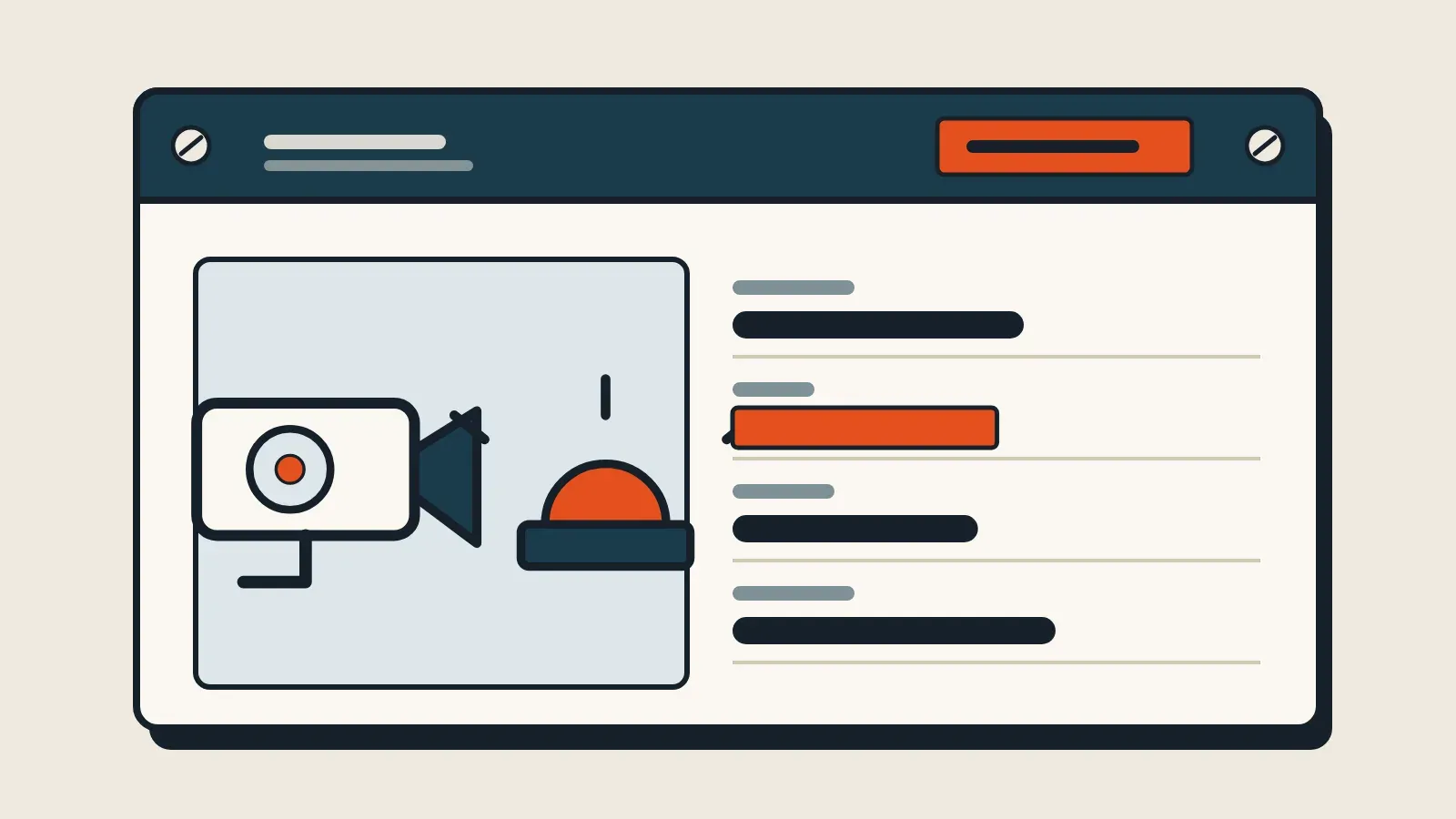
An alarm system detects openings and motion, sounds a siren and, if monitored, signals a center. A camera records or streams video and sends you alerts. By itself a camera does not call for help. Many homes use both. Two things are easy to miss: a cloud plan can be a separate monthly fee, and a camera is an internet-connected device whose account needs protecting, as the FTC's advice on cameras makes plain.
Three different jobs
Deterrence
A visible camera, a yard sign or a siren is meant to discourage a break-in. None of the sources read for this article measures how well that works for a given home, so treat it as an intention, not a result.
Detection
An alarm system notices a door or window opening, motion in a room or breaking glass and raises an alarm. Cameras can detect motion too, but they alert your phone and nobody else.
Evidence and verification
Video shows what happened and who was there. Where a city asks for audio or video verification, video can also support a request for a police response.
What each one does and does not do
| Question | Alarm system | Camera |
|---|---|---|
| What it detects | Openings, motion, glass break, smoke if connected | Motion in its view, sometimes people or packages |
| Who gets told | You, and a monitoring center if you buy that plan | You, through the app |
| Calls for help | A monitored system can, through the center | No, you must decide and call |
| What you see afterward | A log of which sensor tripped and when | Video of the area it covers |
| Ongoing cost | Monitoring plan, if you choose one | A cloud storage plan, if you want saved clips |
The central point is the third row. A camera shows an event and leaves the next step to you. If you want someone else to start a response when you do not see the alert, that is a monitoring job. Read how a security system works for the chain from sensor to responder, and indoor and outdoor smart cameras for the camera side.
False alerts, and why they differ
Both kinds of device can raise alerts that turn out to be nothing. Cameras send motion alerts for shadows, pets, passing cars and leaves. Alarm systems can be set off by users who arm or disarm incorrectly, a factor the ASU Center for Problem-Oriented Policing guide on false alarms names. Denver's alarm page says 83 percent of alarm calls in that city are false.
The difference is who pays for the false alert. A camera notification costs you a glance. A false alarm that reaches the police can cost you more, because many cities fine repeat false alarms and some stop responding. Palo Alto's police page, for example, says that after the seventh false alarm in a 12-month period police place the alarm on non-response status. Zones, sensitivity and scheduled activity settings reduce camera noise, and an alarm needs a clear arm and disarm routine that everyone in the home knows. See alarm permits, false alarms and fines.
Using both together
A camera by the door and sensors on the doors give you detection and a picture. If your city or your monitoring company uses video or audio verification, it can help the center decide whether the alarm is real. Sandy Springs, Georgia, says on its alarm ordinance page that intrusion alarms need verification by audio, video or a private guard before police are dispatched, and that self-monitored systems must include audio or video verification. Rules like that are local, so check yours.
- Ask whether the camera works with the alarm panel, or only runs in its own app.
- Ask whether video from the camera can be shown to the monitoring center, and under what plan.
- Ask whether the alarm still works if the camera's account or plan lapses.
Cloud plans, accounts and privacy
Many cameras store clips in the maker's cloud and charge a monthly plan for it. Some can record to local storage. The price, the length of history and the number of cameras covered vary, so read the plan page for the camera you are considering and add it to the total. The five-year cost check has a line for a camera plan.
The account is part of the security. The FTC's advice on connected devices says to change default usernames and passwords, not to reuse passwords, to turn on two-factor authentication where it is offered, to keep firmware and the phone app updated, and to check access logs on home cameras for unfamiliar addresses or odd hours. California's consumer guide to alarm companies tells buyers of web-based or video monitoring to ask whether the company uses firmware, an encrypted network or a strong firewall.
Recording laws differ by state, especially for audio and for rooms where people expect privacy. The FTC alert points readers to the U.S. State Privacy Legislation Tracker to learn whether their state gives them a right to ask a company to delete their data. For recording rules, ask your state attorney general's office or a local lawyer before you aim a camera at a bedroom, a bathroom, a neighbor's window or a shared hallway, or turn on audio.
Which one first?
- If your worry is coming home to a break-in or being away, the question is who acts when a sensor trips. That points to an alarm with monitoring, or to self-monitoring you will reliably see.
- If your worry is packages, a driveway or knowing who came, a camera answers that, and the cloud plan is the cost to compare.
- If you want both, buy them as a set you can total. The five-year cost guide shows what to add up.
Questions people ask
Does a security camera call the police?
No. A camera shows video and sends alerts to you. You decide whether to call. A monitored alarm system is the product whose job includes a center trying to reach you and, where allowed, asking for a response.
Do I need a subscription for a security camera?
It depends on the camera. Many use a paid cloud plan to keep recorded clips, and some can record to local storage. Read the plan page and the box for what works without a plan.
Can a camera replace an alarm system?
It covers a different job. A camera records what is in its view. An alarm system uses sensors on entry points and a siren, and can signal a monitoring center. Many people use both.
How do I protect my camera account?
The FTC advises changing default passwords, not reusing passwords, turning on two-factor authentication, keeping firmware and the app updated, and checking access logs for unfamiliar addresses.
Sources
- FTC consumer alert: Ring's privacy failures led to spying and harassment through home security cameras
- FTC consumer advice: securing your internet-connected devices at home
- California Department of Consumer Affairs: consumer guide to alarm companies
- City of Sandy Springs, Georgia: alarm ordinance
- City and County of Denver: false alarm calls
- City of Palo Alto Police: alarm permits
- ASU Center for Problem-Oriented Policing: false burglar alarms, summary of responses
Pages read and facts checked on November 20, 2026. The FTC Ring alert is dated May 31, 2023 and describes one company's settlement. City rules are examples and change. No source read for this article measures how well cameras or signs deter break-ins, so the article makes no claim about that.
Read next
-
Security
How a home security system works
The panel, sensors, signal path and monitoring center, and why police answer only verified alarms in many cities.
-
Security
What a security system costs over five years
The lines to add up, from activation fees to camera plans and permits, and how to total them over sixty months.
-
Security
DIY or professionally installed security?
Who installs, owns, monitors and signs what, and the permit and lease questions that apply either way.